Sun Aug 9 – Whale Watching
Another great day on the water!
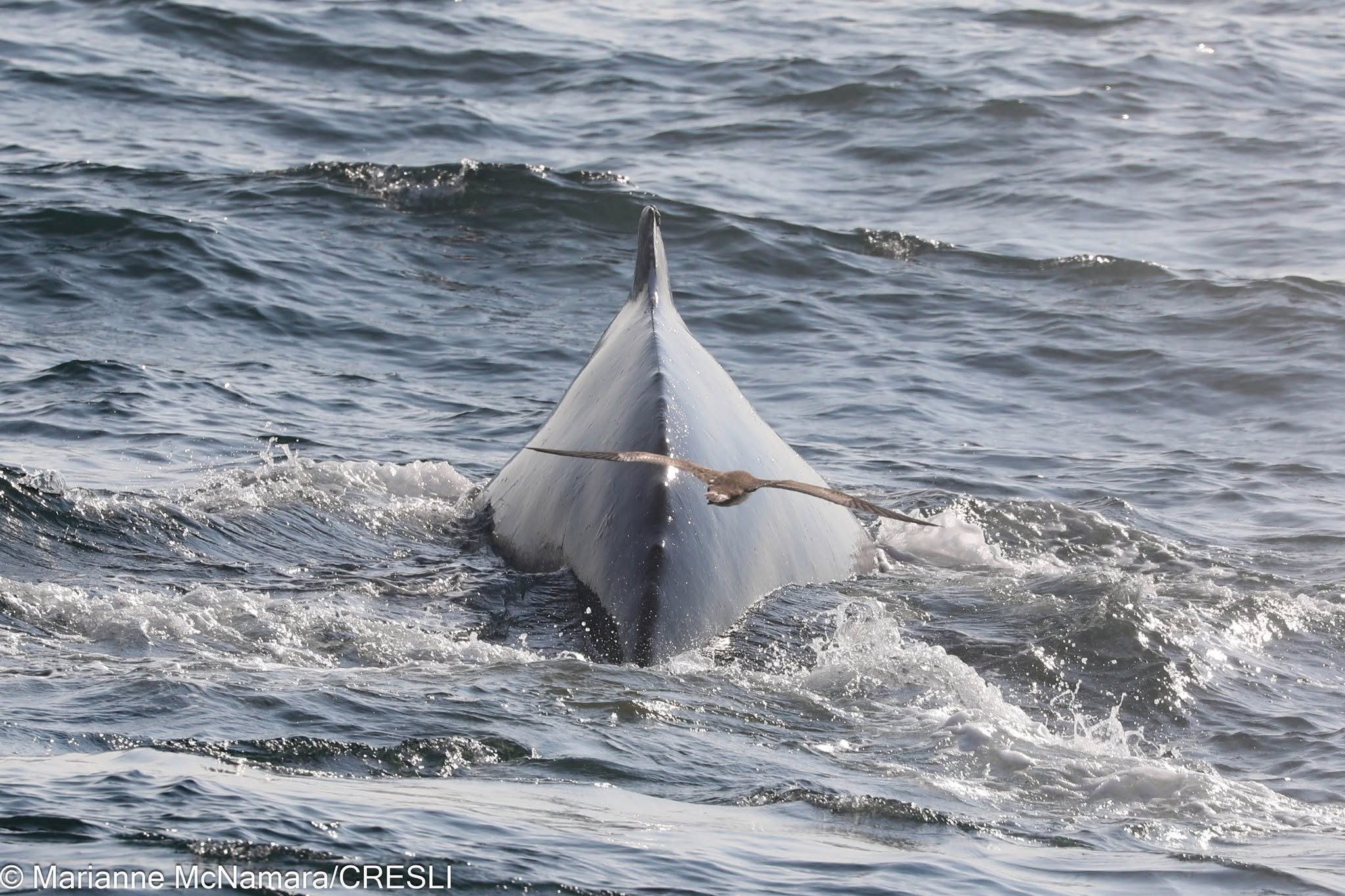
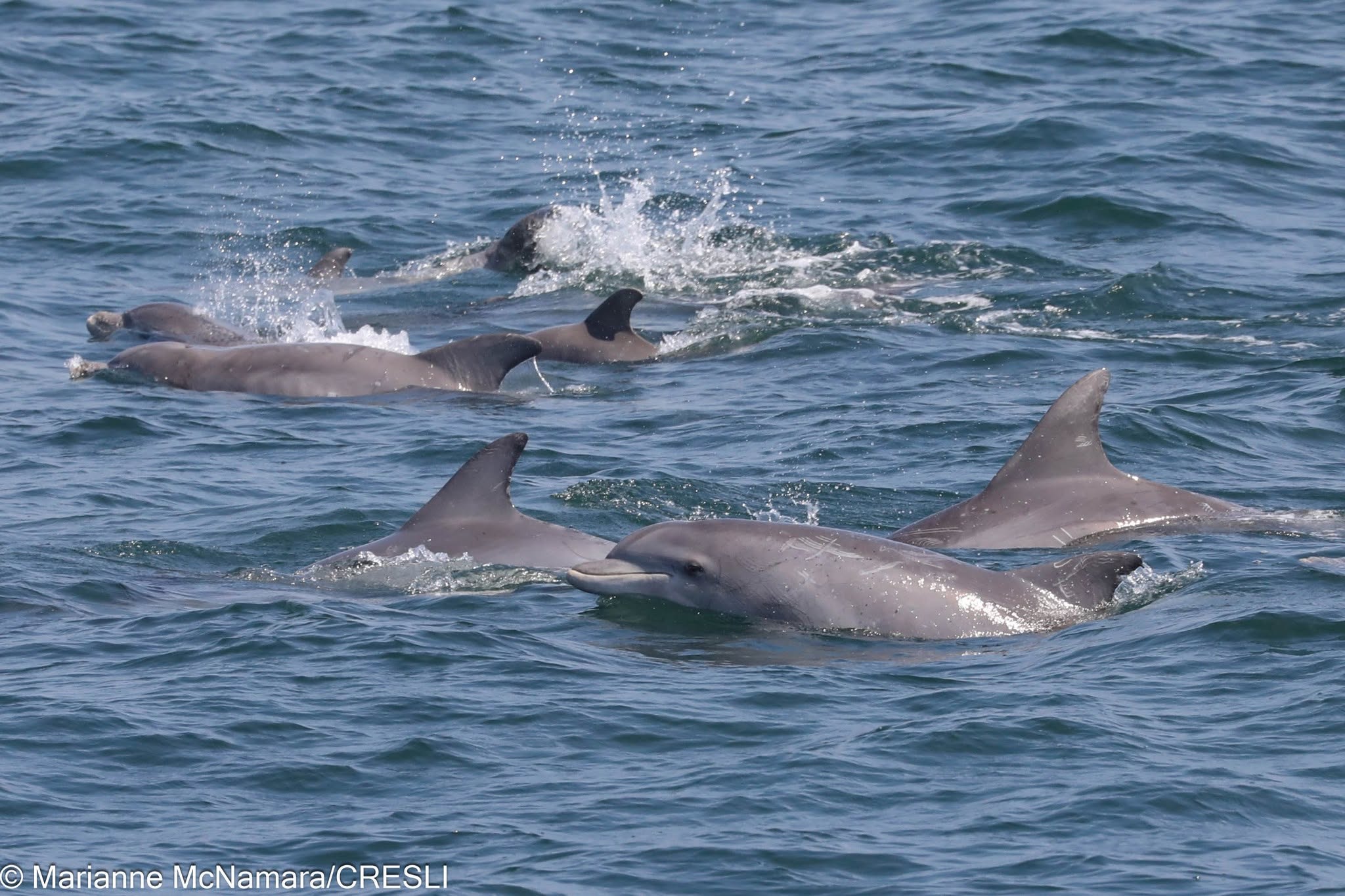
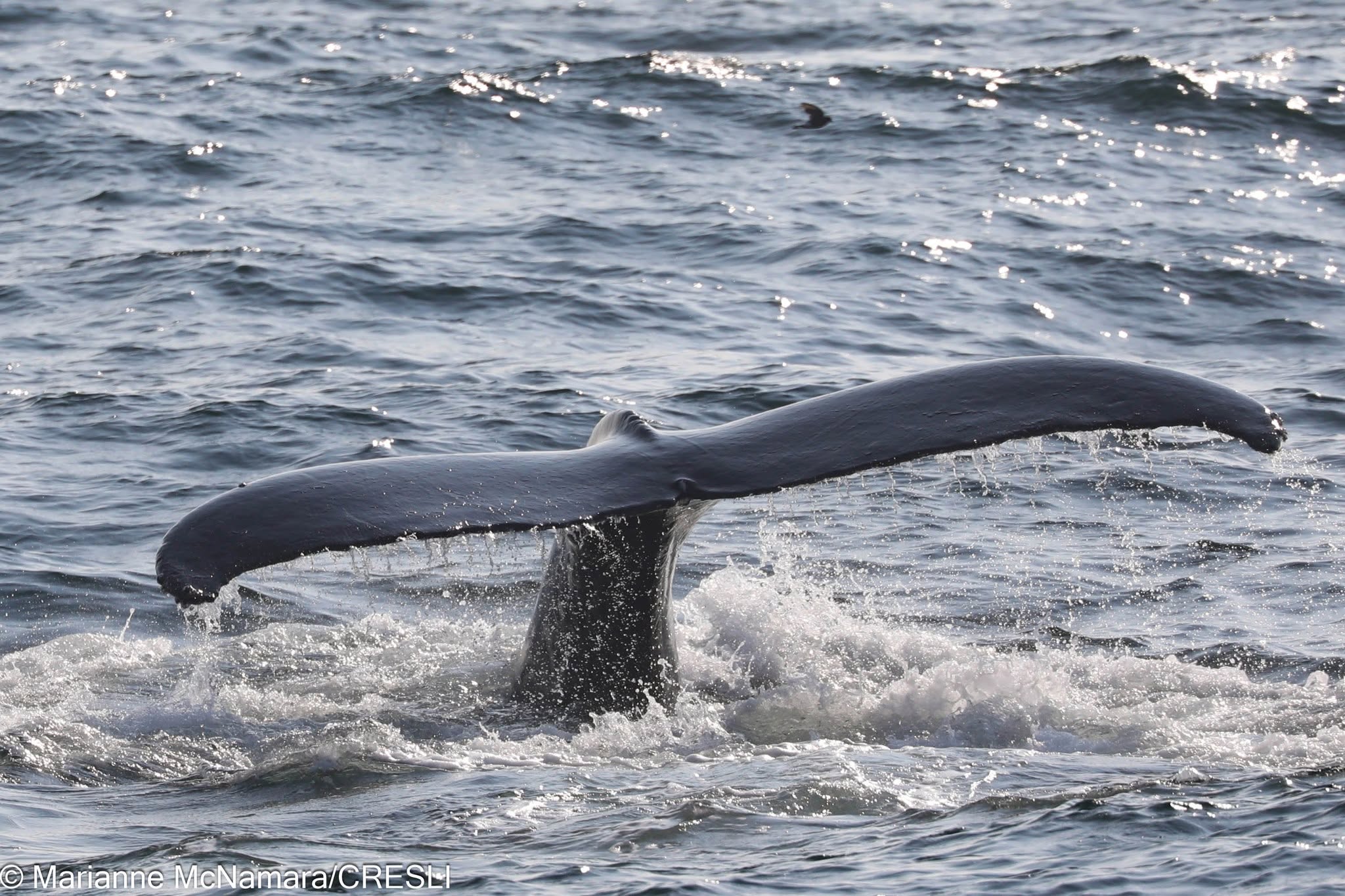
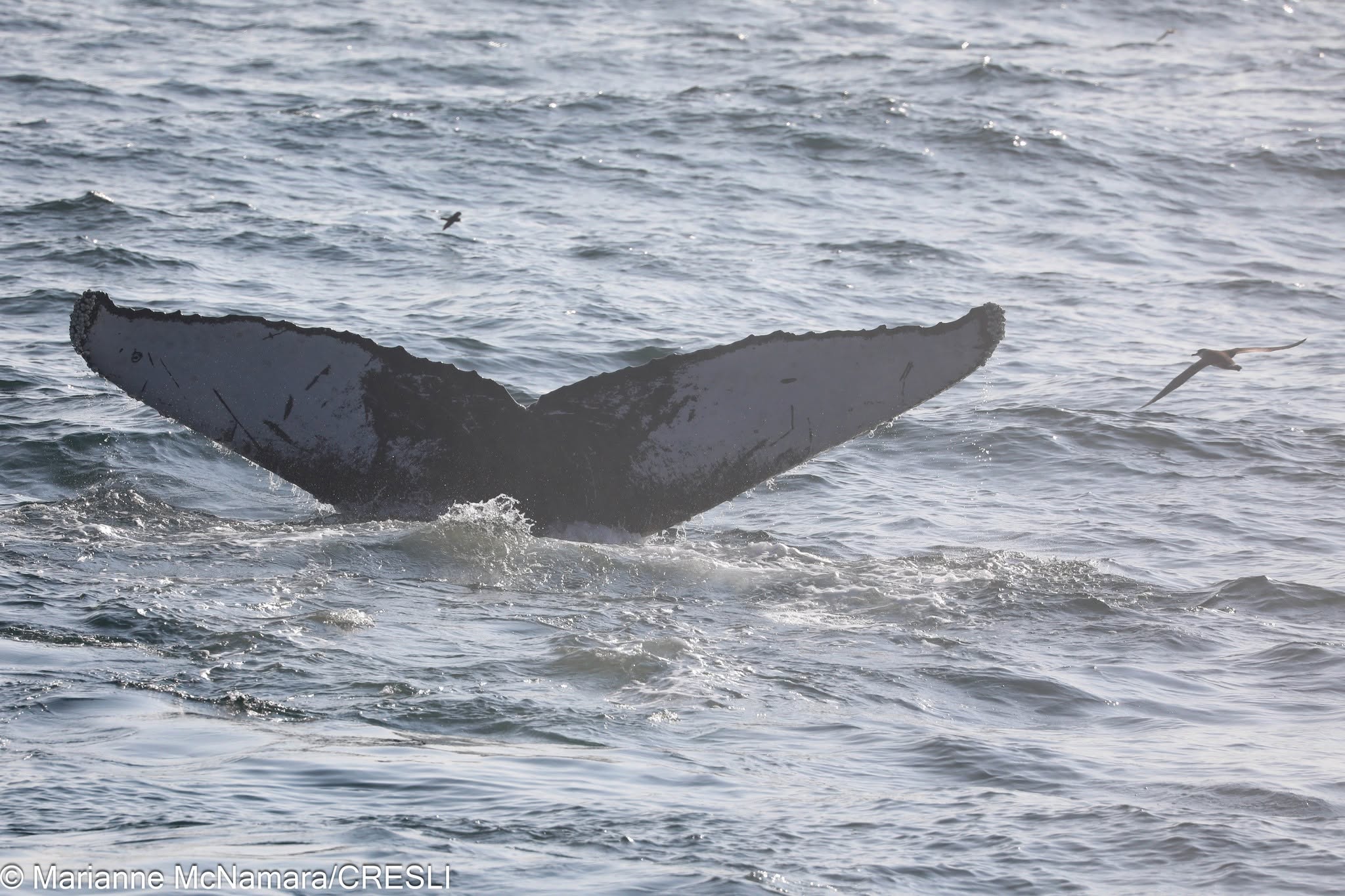
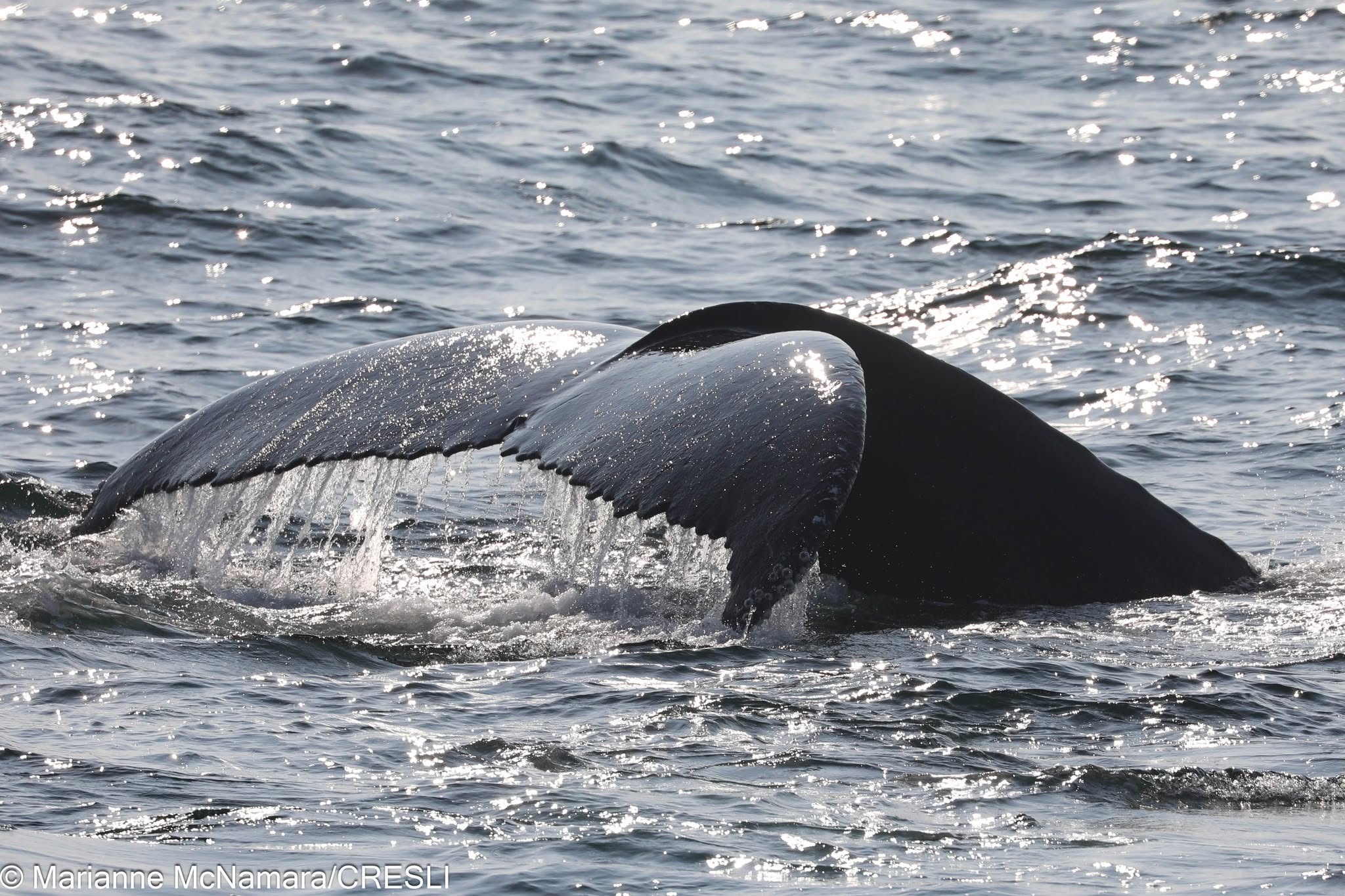
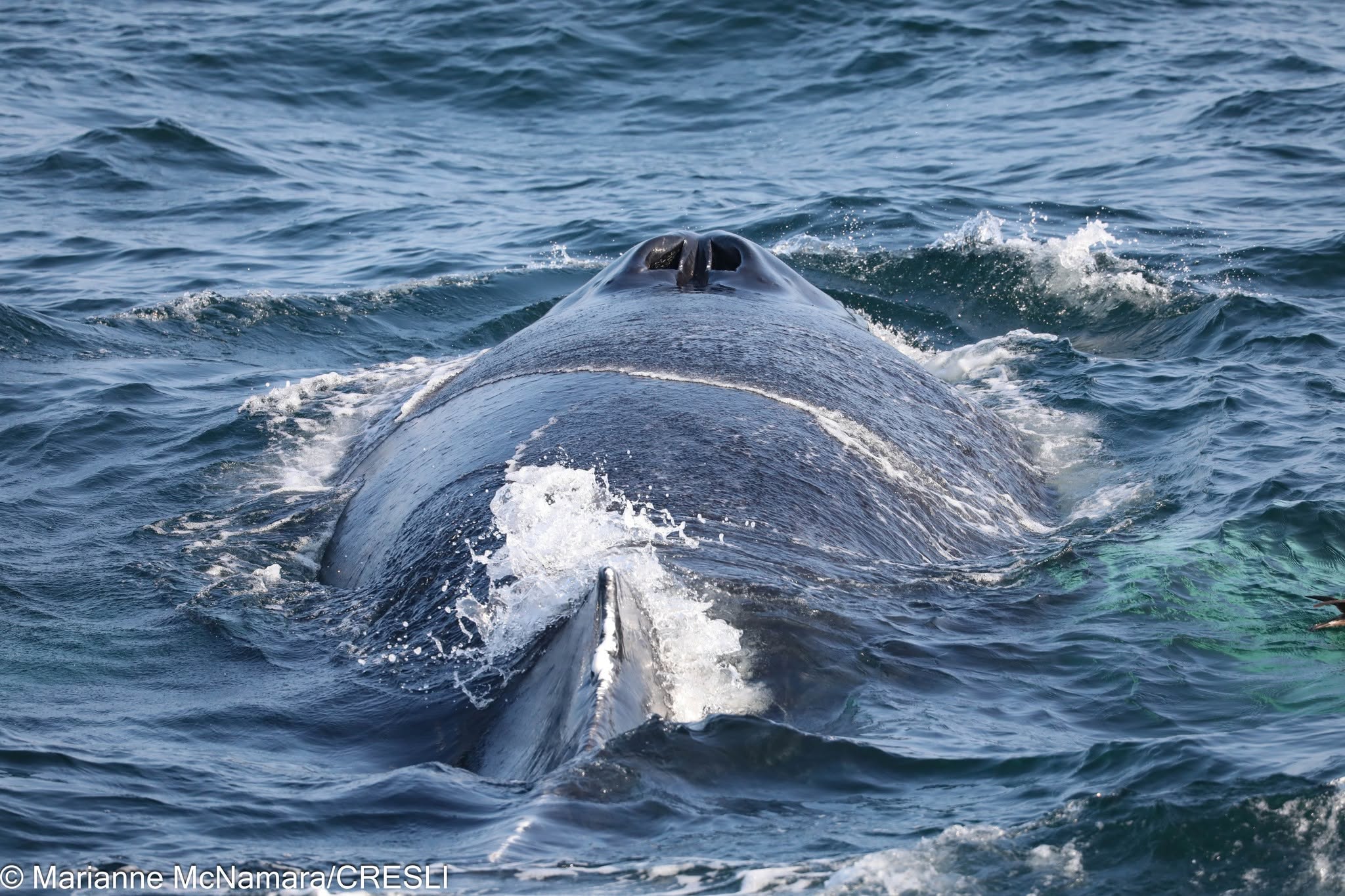
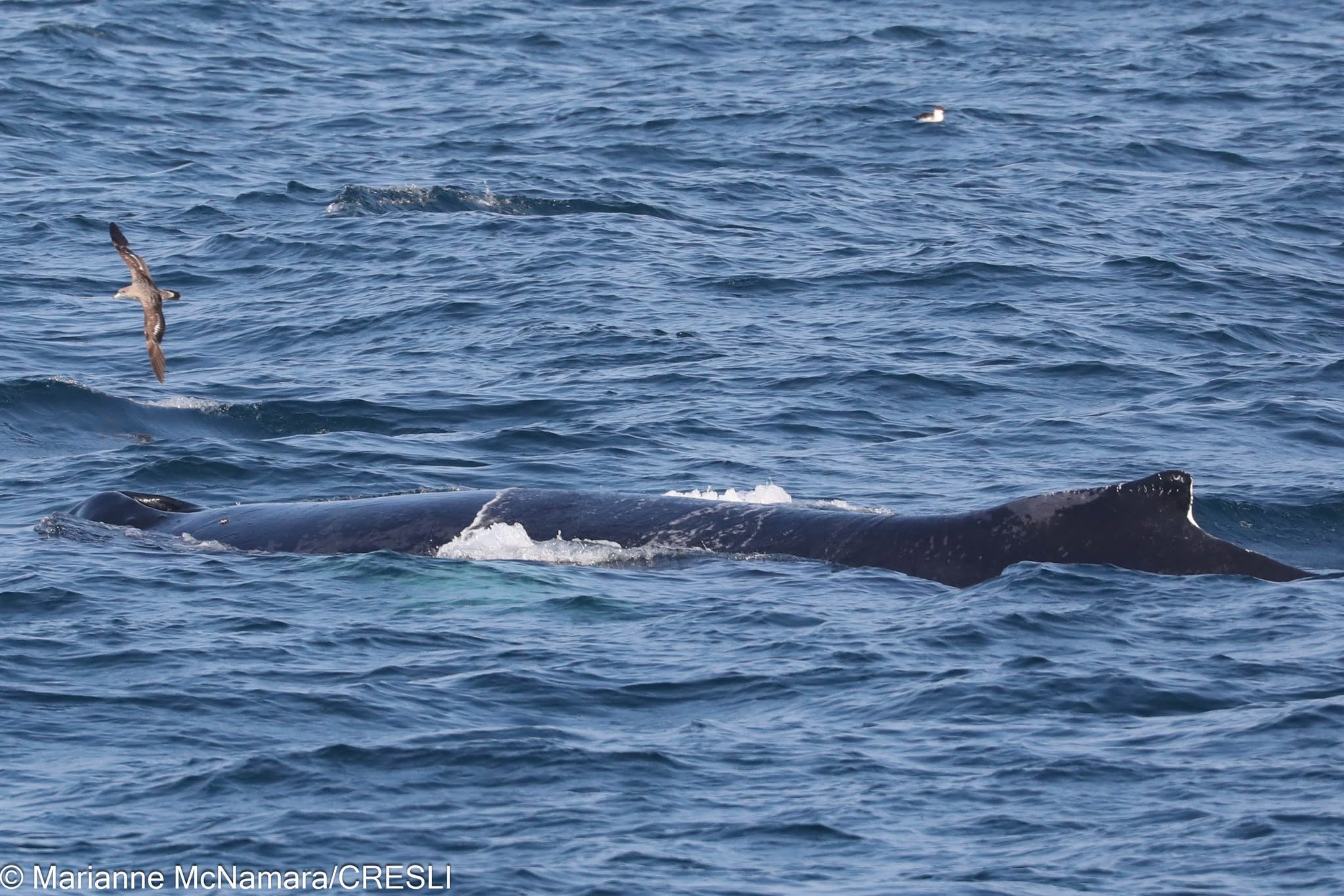
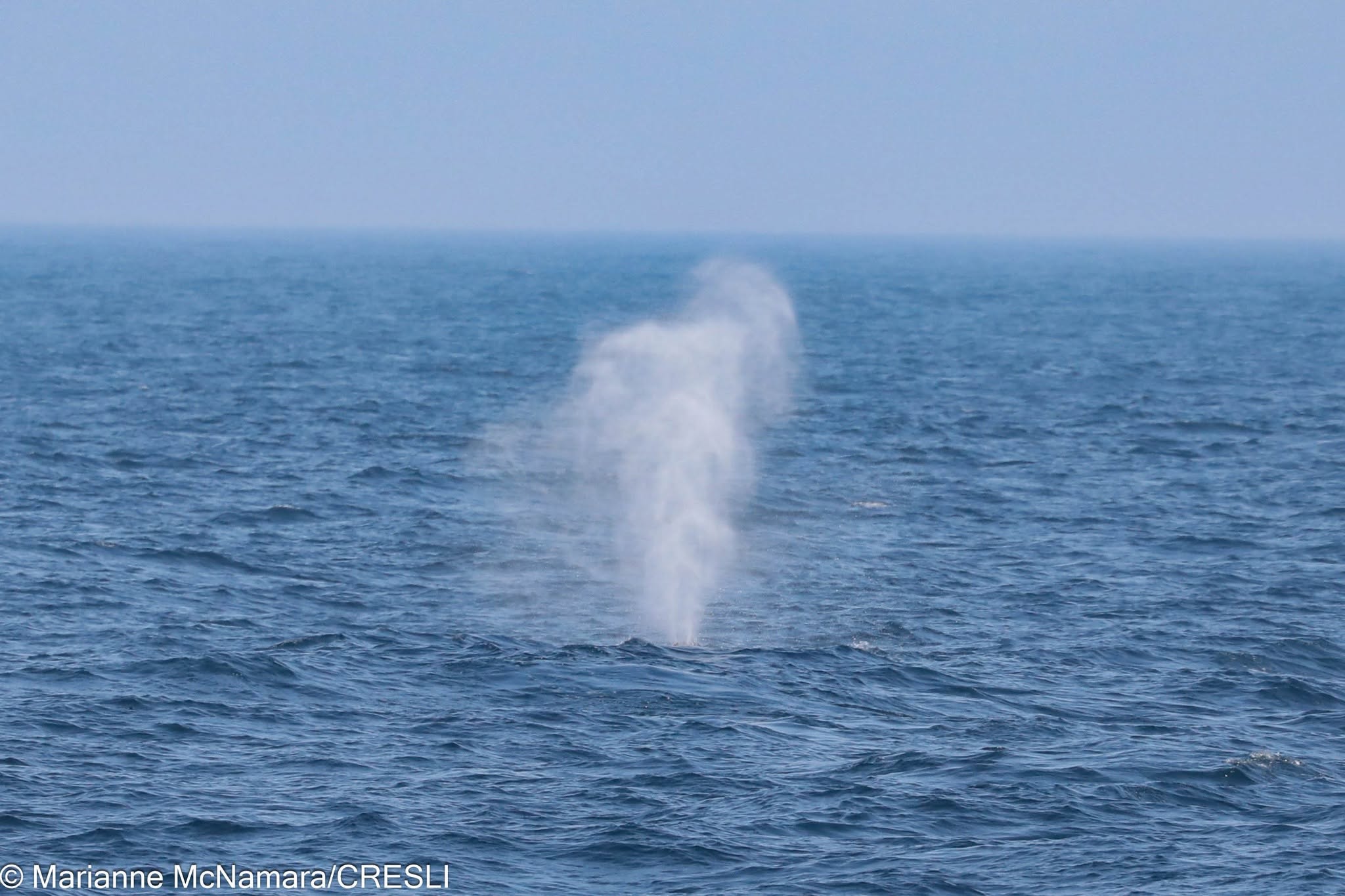
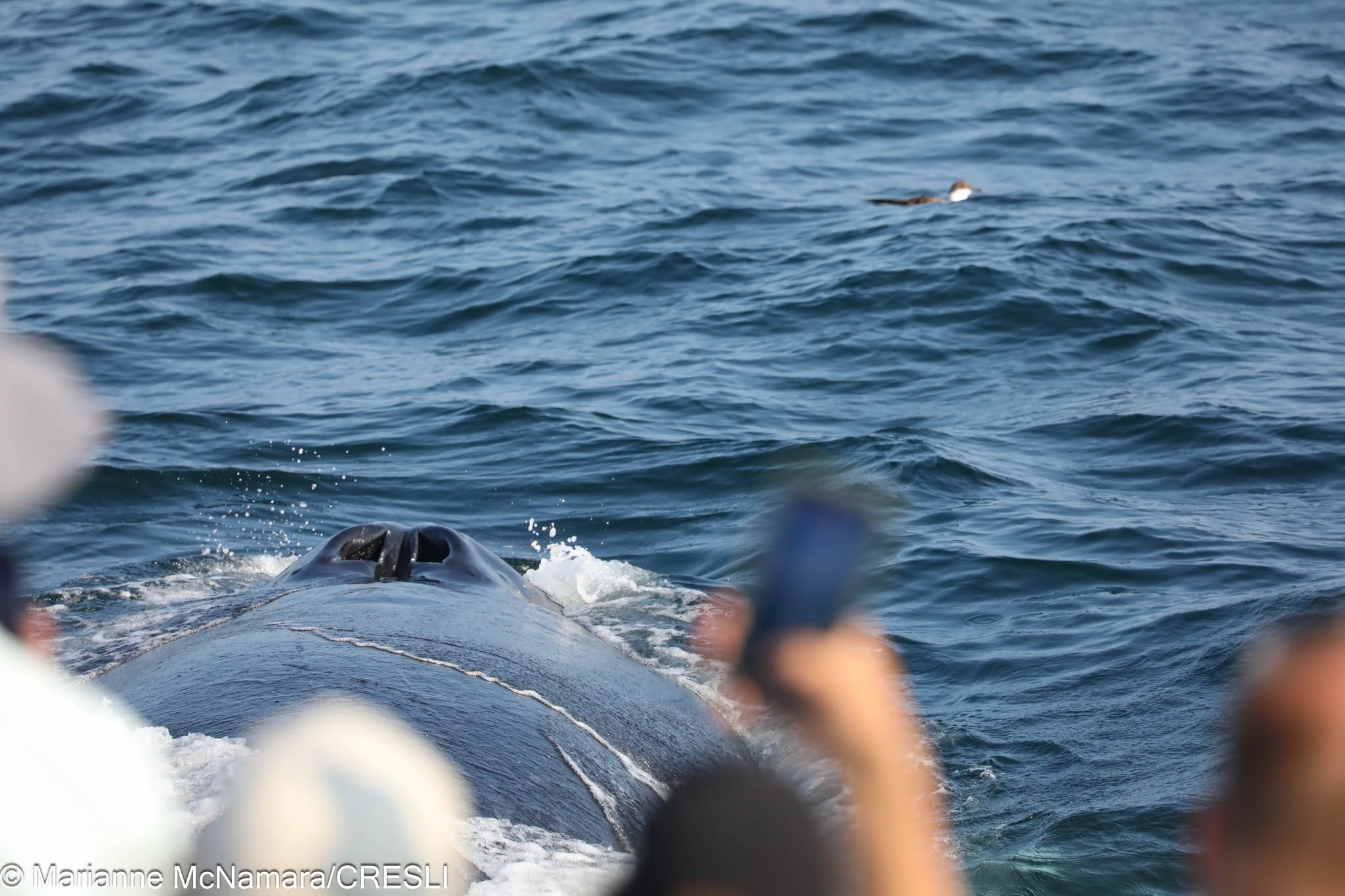
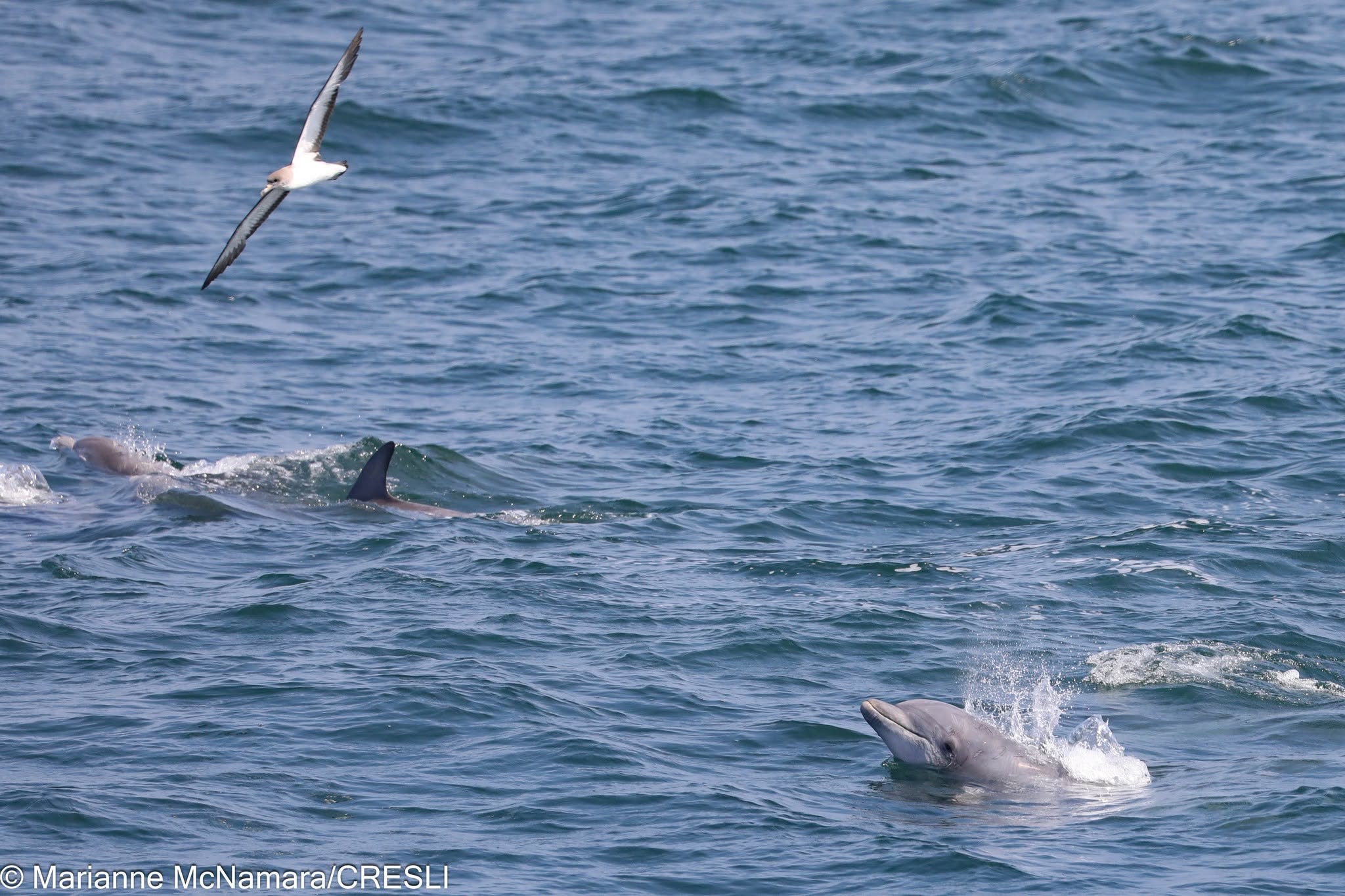
It was already a successful trip when we left the dock exchanging cool ocean breezes for the heat and humidity on land. As the Viking Starship passed Montauk Point, the captain spotted dolphins to the east, which we quickly investigated. Here we found between 40-60 Tamanend’s bottlenose dolphins which ended up surrounding the vessel in numerous small pods. Passengers had good looks of this early cetacean sighting before we headed offshore to find the whales we have been seeing on previous trips this season. We had to travel about fifteen miles southwest of the Point, but eventually found multiple blows belonging to between 9-12 humpback whales. While approaching two blows ahead of us, an adult humpback rocketed from the water revealing its entire body in a spectacular breach off the portside. We sat safely out of gear waiting for the whale to resurface and were able to identify this humpback as “Duck”, an individual previously seen on earlier trips. Additional blows were spotted around the vessel and we had two very close approaches by other familiar whales “Epee” and “Pickle” when they surfaced near the vessel and turned toward the boat surfacing directly beneath the overhanging bow to the delight of passengers. Their blows made “rainblows” as the sunlight hit them just right; it was magical. More excitement was in store as additional whales surfaced and dove revealing tail flukes CRESLI scientists can use for identification (“Woodpecker” was one of these). We then moved a bit further south and came upon a mom and calf pair. CRESLI has already documented fourteen mom/calf pairs this season, which is an absolute record (our previous ‘high’ was 5)! CRESLI shares its sightings with the Center for Coastal Studies (CCS) in Provincetown, MA, which curates the Gulf of Maine Humpback Whale Catalog and names the individuals based on their unique tail fluke markings and/or shapes. So far this season, we have encountered at least 79 individual humpback whales, two-thirds of which are individuals seen during previous years, emphasizing their site fidelity and the significance of this region as a feeding area for the species.
If you haven’t booked your trip yet, what are you waiting for?!
40-60 Tamanend’s bottlenose dolphins (likely more in extended area)
9-12 humpback whales
100-160 Wilson’s storm petrels
Scores of Cory’s and great shearwaters
Multiple schools of cownose rays
1 large batch of mylar balloons removed by Viking crew