Sun Sept 6 – Whale Watching
4 different cetacean species!!
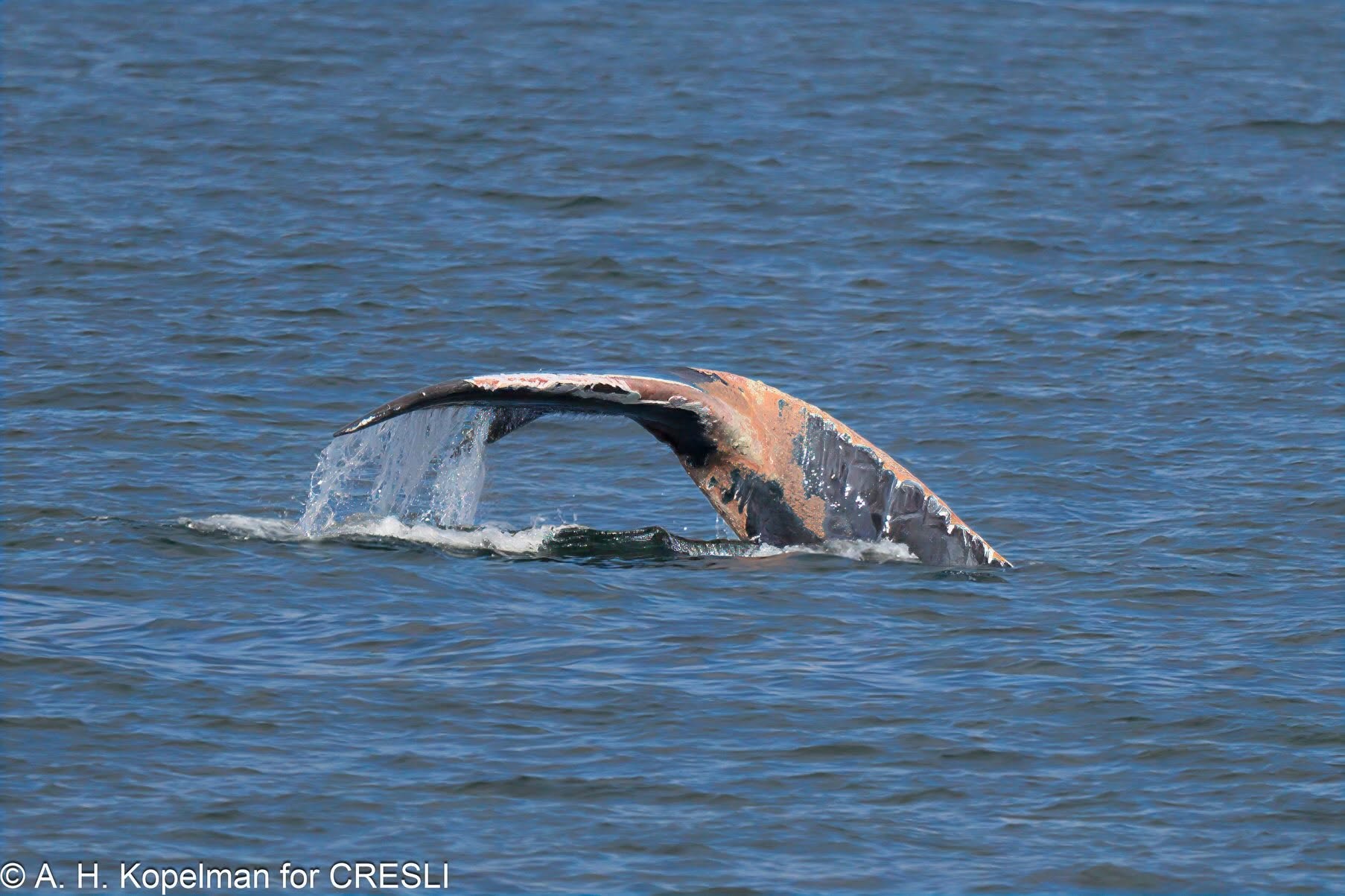
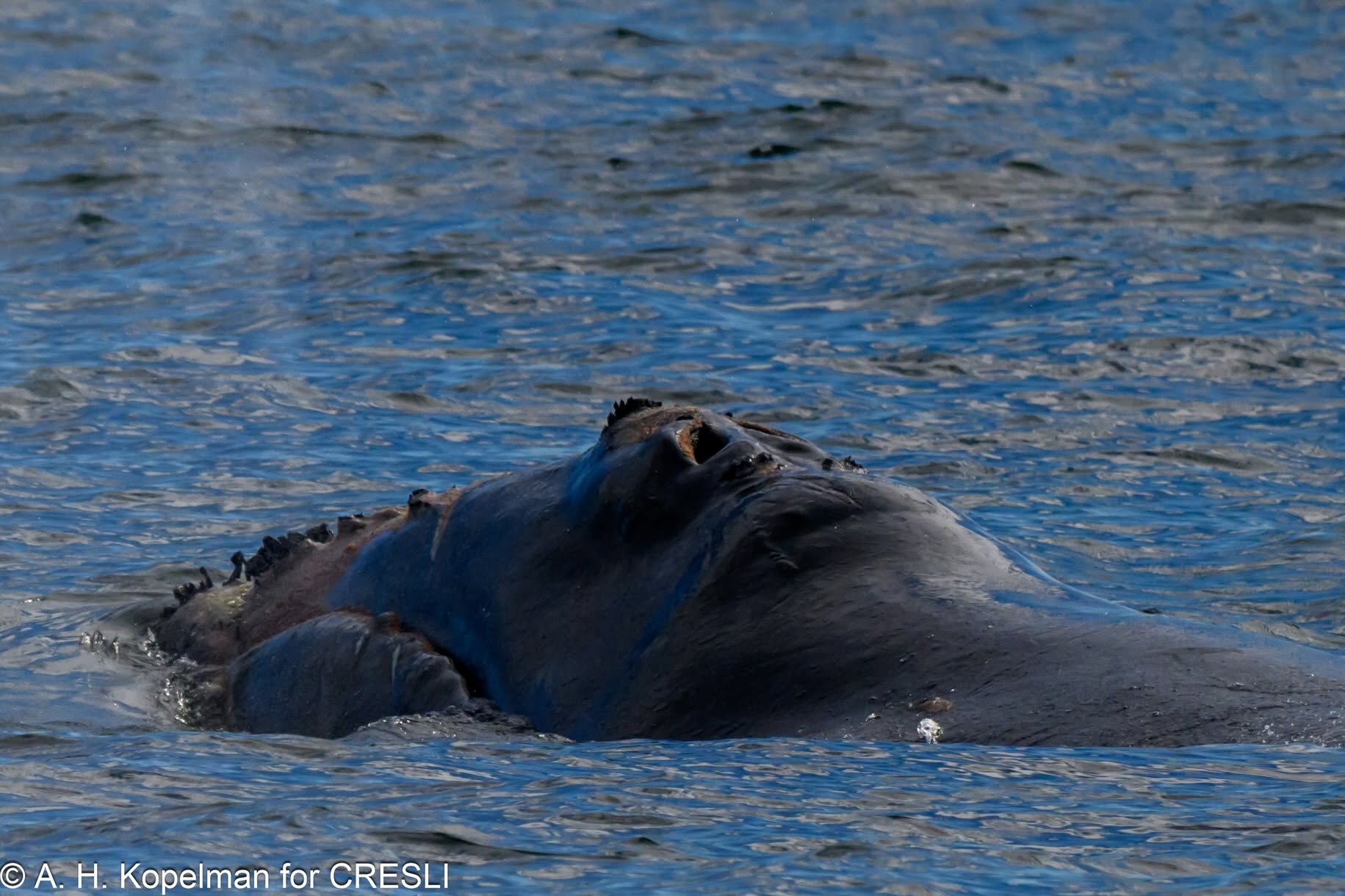
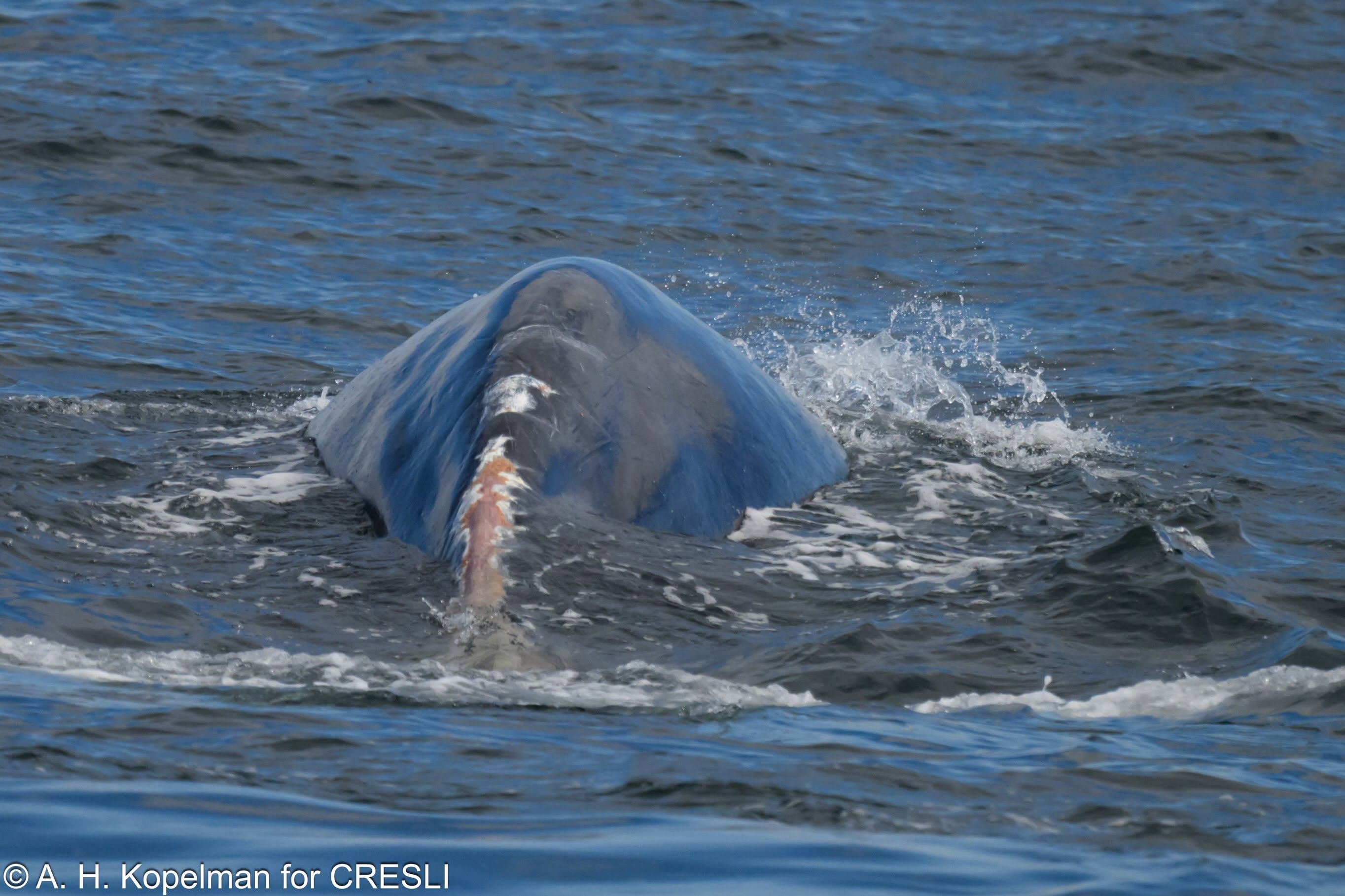
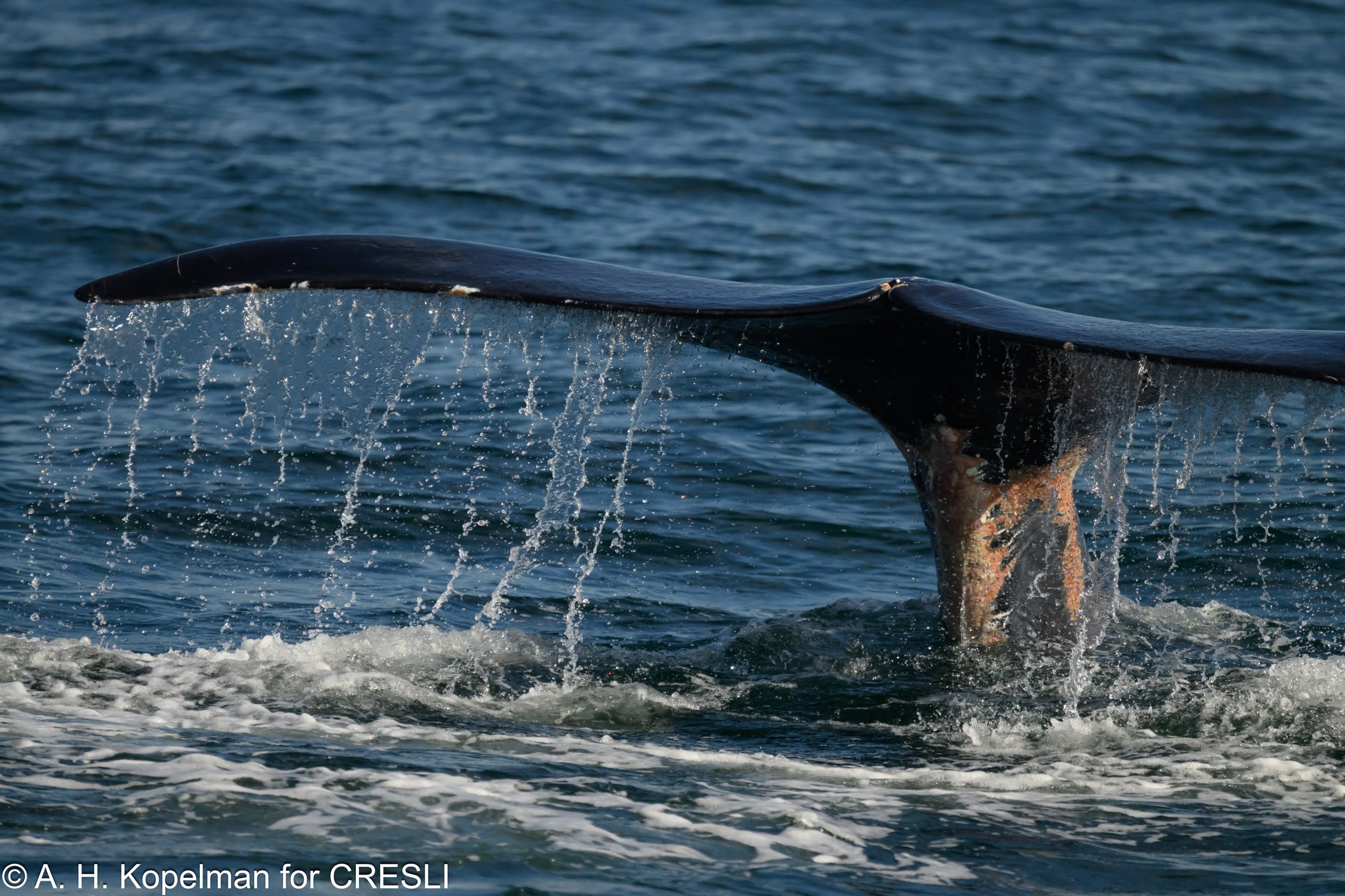
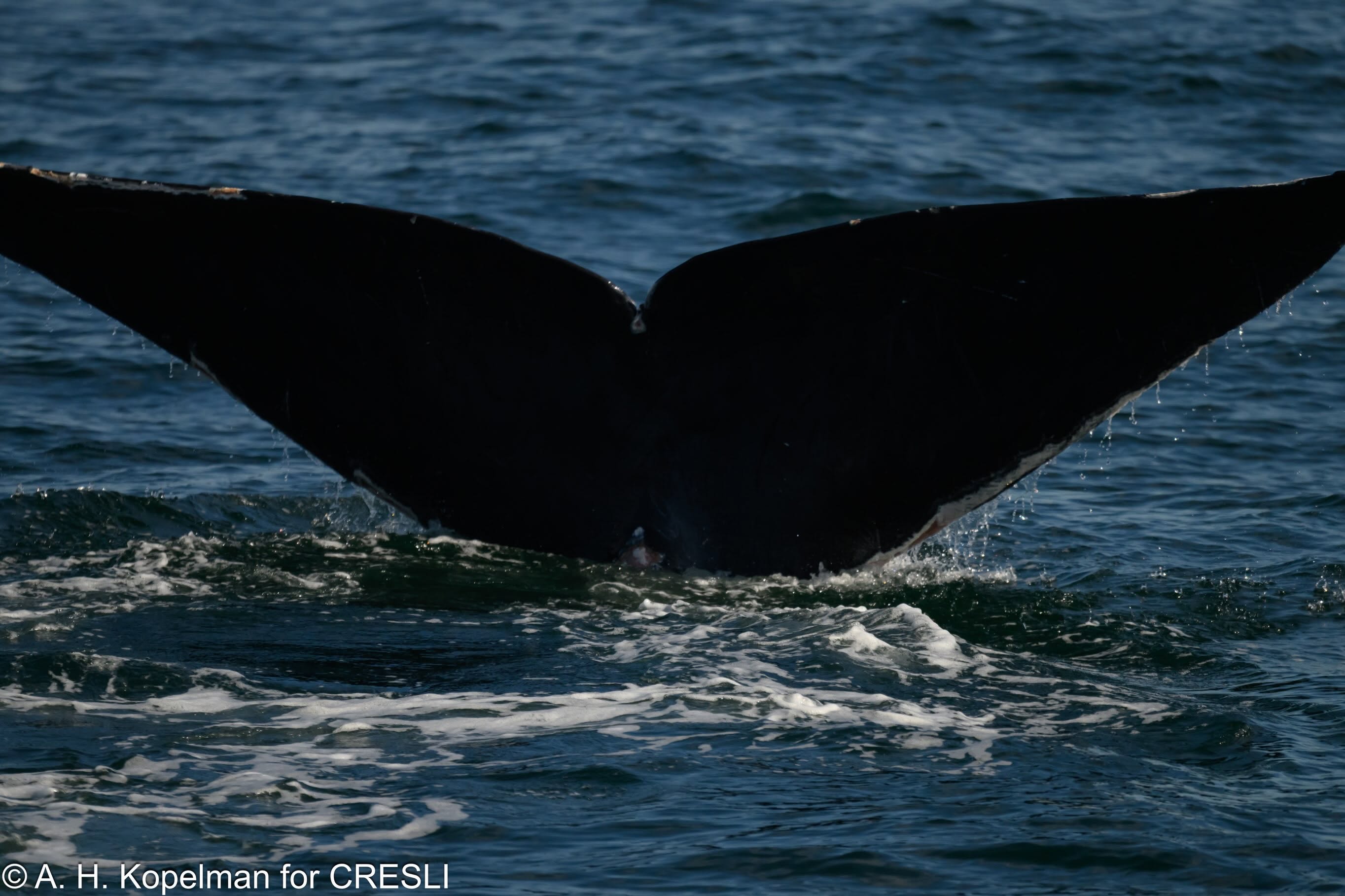
This season had been full of surprises, but nothing come close to what we saw at our 2nd stop of this trip. Our first stop was to observe a small group of Tamanend’s bottlenose dolphins, those light greyish bottlenose dolphins seen near shore in both sides of the LI since 2009. We then received a report of a whale near the Mid-Way Buoy (between Montauk and Block Island). We saw the blow from afar and the whales blow and body initially looked like a humpback whale with significant scarring. The whale was perpendicular to us as is blew and dove, lifting its flukes out of the water. We traveled slowly towards the whale and waited about 500 yards away. That was fortuitous because the whale came up very close to us and it was clearly a North Atlantic Right Whale (NARW), a critically endangered species with about 370 individuals left, and fewer than 70 reproductive females. This species is in dire straights and without continued significant help, will be gone in the next 10-12 years.
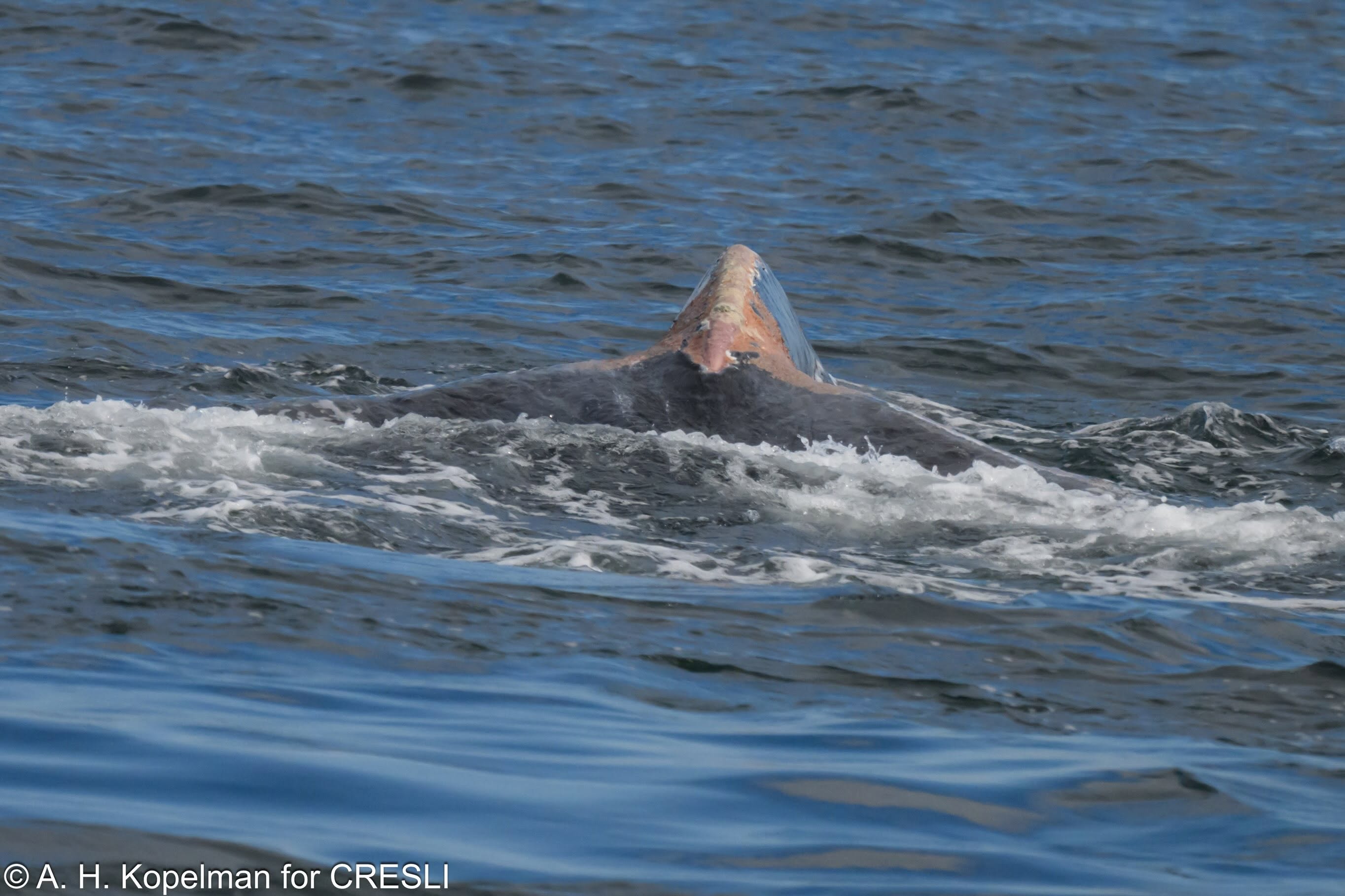
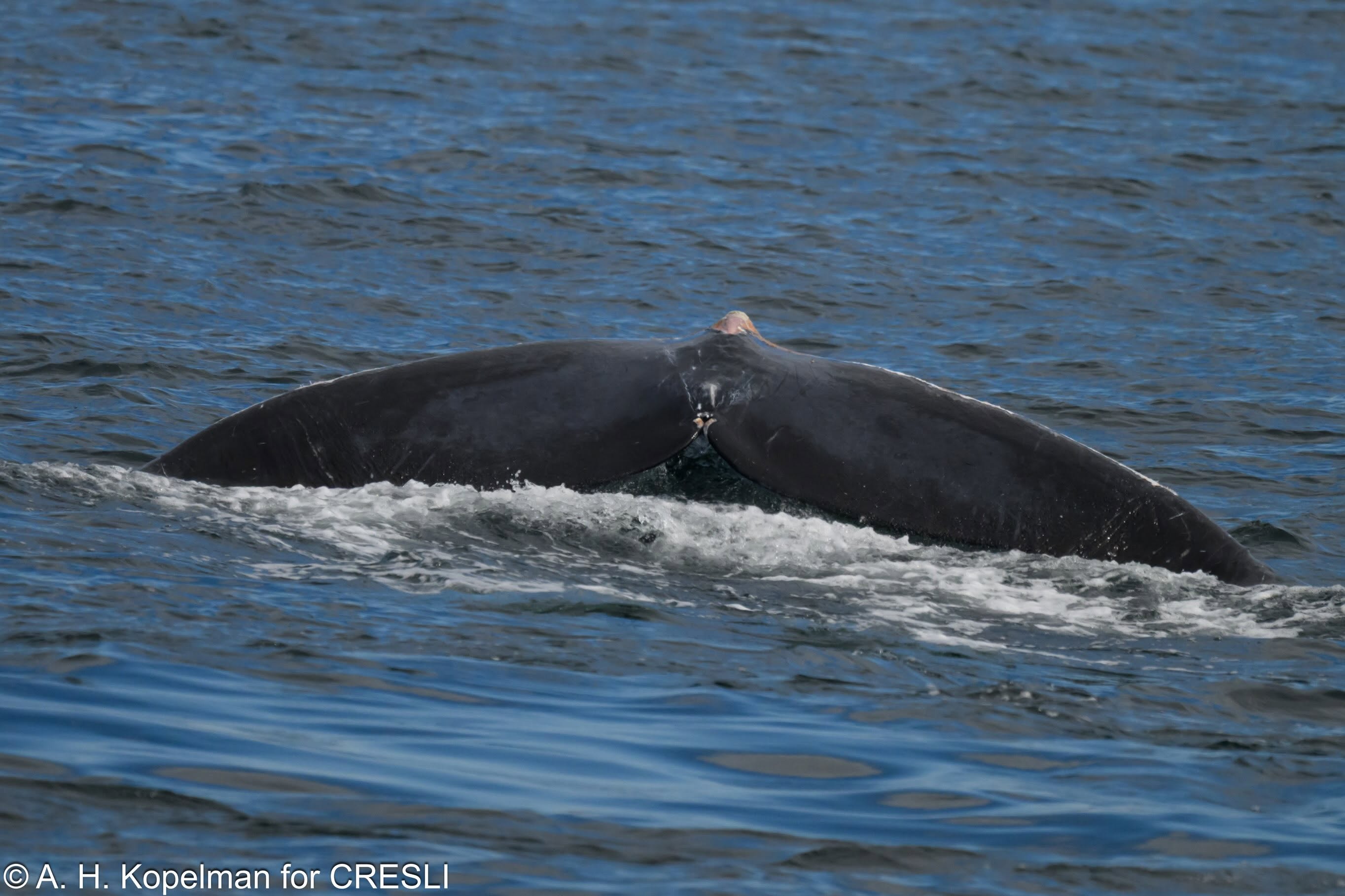
This whale, like so many other right whales has been through a lot. We could see scars from previous entanglements and those scars and surrounding tissue were covered by an orange fungus, not necessarily a good sign. The whale was moving and diving and we stayed with it as the Captain Dave Marmeno was able to contact the Chief of the Coast Guard Station at Montauk to report the whale’s presence. The report was passed on the Coast Guard Sector Station to establish a slow zone around the animal in order to warn mariners. Dr. Artie Kopelman, on-board naturalist for the trip, also reported to our colleagues at the North Atlantic Right Whale Consortium (https://www.narwc.org/) and sent data and photographs.
Right whales were protected from legal hunting globally in 1936, but were still taken illegally by Russian whalers through 1976. NARW numbers rose through 2015 and then began to drop dramatically. In US waters and around US Vessels NARWs are protected by the US Marine Mammal Protection Act (MMRP) and the Endangered Species Act (ESA). All vessels must maintain a minimum of 500 yards from all NARWs, and, as in the case of our encounter, if approached by a NARW, vessels must remain out of gear until the whale has moved away. When NARW’s are in an area for more than 48 hours, all fixed fishing gear must be removed. This worked well until the effects of climate change led to changes in the distribution of their primary prey (Calanoid copepods) into the waters of the Gulf of Saint Lawrence in 2015. In 2017, Canada hadn’t yet instituted to protections for right whales until approximately 12 died. Once Restriction were in place, the deaths diminished. Unfortunately in 209 another 9 NARWs died in The Gulf of Saint Lawrence.
NARW’s are in desperate need of protection from entanglement in lines for lobster and Jonah crab gear. The top speed of an NARW is 4 knots, not strong enough to break free from entanglements. Federal policies are in place to protect Right Whales. Unfortunately, a bill just passed by congress (H.R. 9436, the Northeast Lobsterman Protection Act of 2026, led by Representatives Lawler (R-NY) and Golden (D-ME), allows another delay of critical new commercial fishing gear regulations for lobster and Jonah crab fisheries from going into effect until the end of 2035, extending an existing moratorium that expires at the end of 2028. This quite literally means the end of a species that has been around for millions of years. Call your US Senators and ask them to protect the NARW’s and vote no on HR 9436.
We also found a minke whale and a 6-year old humpback that we have been seeing for a while, the 2020 calf of Milkweed. This calf is easily identified by the underdise surface of its flukes and the propeller scars on its right flank just anterior to its dorsal fin.
- 1 North Atlantic Right Whale
- 1 Minke whale
- 1 Humpback whale
- 10-30 Tamanend’s bottlenose dolphins
- 6-10 Cory’s shearwaters
- 5-12 Great shearwaters
- 26 Wilson’s storm petrels
- 7 Manx shearwaters
Photos to view and/or purchase to help support our work – prints, digital copies, and framed artwork available